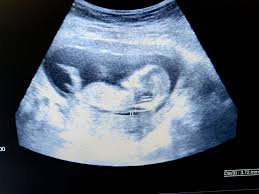
The NT scan is a non-invasive ultrasound test used to assess the risk of chromosomal abnormalities like Down syndrome. It measures the thickness of a fluid-filled space at the back of the baby’s neck (nuchal fold) and evaluates the nasal bone.
This scan also helps in the early detection of certain structural abnormalities, providing valuable insights into your baby’s health.
You may have heard the term NT NB scan and wondered how it is different from a regular NT scan. Both are the same. The “NB” stands for Nasal Bone. The presence of the baby’s nasal bone is always checked during an NT scan. This is another important marker during the first trimester.
In babies with certain conditions, such as Down syndrome, the nasal bone may be absent or underdeveloped at this early stage of pregnancy. Combining both, nuchal translucency and nasal bone assessment provides a more detailed picture of a baby’s development.
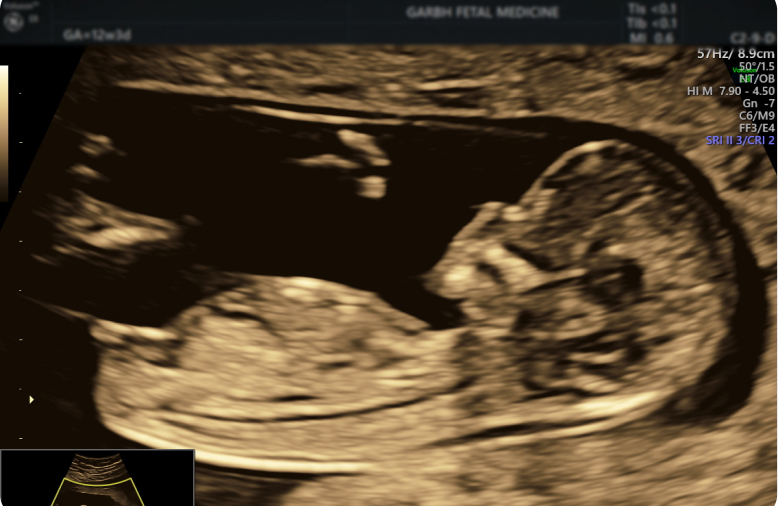
The NT scan is essential in prenatal care during the first trimester. Here’s why:
It helps detect early signs of chromosomal abnormalities.
When combined with blood tests, the NT scan provides a more complete picture of your baby’s health.
A clear NT scan report gives confidence and peace of mind to expecting parents.
The NT scan is performed between 11 to 14 weeks of pregnancy. This is the optimal time for accurate measurement of nuchal translucency and proper assessment of chromosomal abnormality risks.
If you’re planning your NT scan, it’s best to schedule it early as advised by your doctor to ensure timely and accurate results.
Wondering what the NT scan during pregnancy is like? Don’t worry! It’s a straightforward and painless process, just like any other ultrasound scan.
Here is what usually happens during an NT scan:
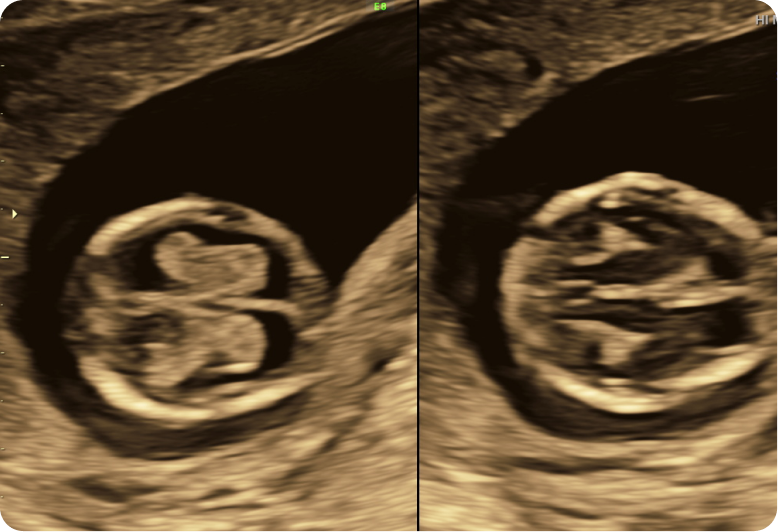
We understand that cost is an important factor when planning your prenatal care. The NT scan is generally kept within an affordable range, ensuring accessibility for most families.
If you’re considering combined screening (including blood tests), you can also explore package options that may help save both time and cost.
The NT scan cost ranges between ₹2000-2500.
NT scan specifically measures the nuchal translucency and assesses the nasal bone and thus helps in detecting the risk of the baby for chromosomal abnormalities.
Accuracy in the NT scan report depends on the equipment and the skill of the technician.
The NT scan in pregnancy can detect early signs of chromosomal anomalies such as Down syndrome.
An NT scan usually takes around 30 -40 minutes and is completely painless.
An NT scan is considered extremely safe. It uses standard ultrasound technology, which has no known risks for the mother or the baby.
We provide the results of the NT Scan on the same day.
Yes, the NT scan can be done alongside other blood tests like the double marker test.